
Newer medicines prevent most serious side effects
A new approach, using cyclophosphamide, can prevent most GVHD. And now, a clinical trial shows that partially matched peripheral blood stem cell (PBSC) transplant is safe.
Age20-77 years old
Number of Participants145
Research GoalIncrease AccessImprove Quality of LifeImprove Survival
In the past, many patients with blood cancers didn’t get life-saving transplants, because they didn’t have a fully matched donor.
One problem after a partially matched transplant, graft-versus-host disease (GVHD), can be very serious. In the past, partially matched donors caused more GVHD than fully matched donors in patients with cancer.
A new approach, using cyclophosphamide, can prevent most GVHD. And now, a clinical trial shows that partially matched peripheral blood stem cell (PBSC) transplant is safe.
About 150 patients volunteered for the trial. Patients had:
- Blood cancer: leukemia, lymphoma, or myelodysplastic syndrome
- Only partially matched donors available
- Transplant with PBSC
- Medicine (cyclophosphamide) after transplant to prevent GVHD
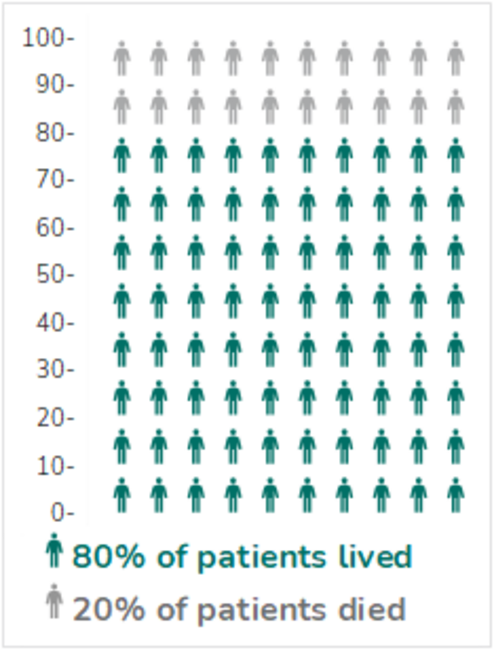
A year after PBSC transplant, about 80% (8 out of 10) patients were alive. This is similar to other studies using fully matched donors. Also, about 10% (1 out of 10) patients had moderate to severe acute or chronic GVHD. This is similar to studies using fully matched donors.
Using a partially matched donor helps more people get transplant. Many patients, especially those from diverse backgrounds, struggle to find a fully matched donor. Partial matching also makes it easier to find a younger donor, which is important because patients tend to do better when donors are younger than 30.
Keep In Mind
Although transplant can cure blood cancers, it also can have serious effects. Ask your doctor about all your treatment options.
Studies are needed to compare partially matched, unrelated donors with half-matched, related donors.
Learn More About
- Finding a donor at NMDP.org
- Clinical trials of mismatched donors at CTsearchsupport.org
- More study summaries at CIBMTR.org